Food and drink
What to eat in Kosovo, from flija to the last macchiato
Kosovo eats well and cheaply: clay pot bakes, coiled pastry sold by weight before nine in the morning, and a layered pancake that takes half a day to make. A field guide to ordering properly.
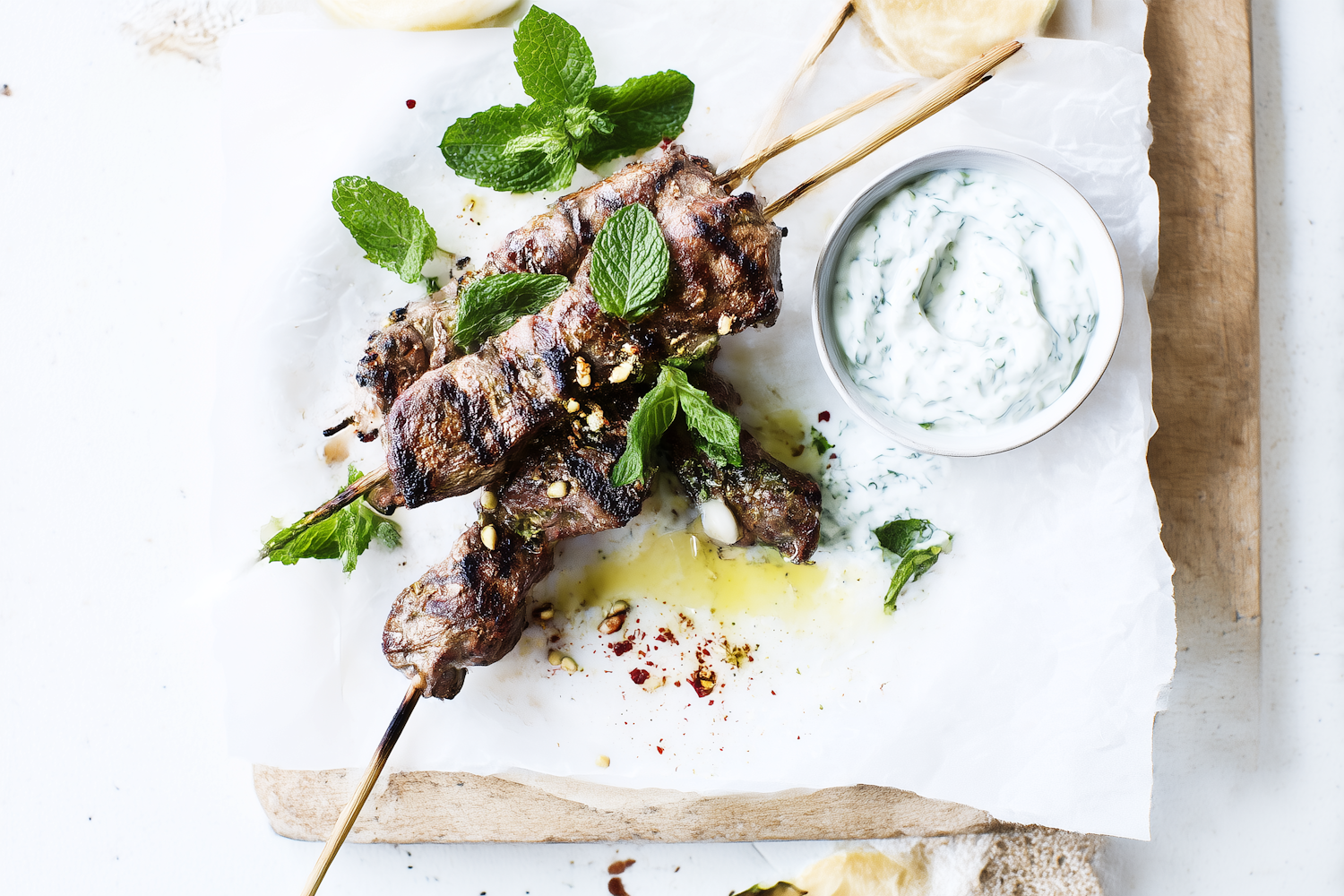
You can eat extremely well in Kosovo for under fifteen euros a day, and the food is not a watered down version of anywhere else. It sits where Ottoman, Albanian and Balkan cooking overlap, it is heavy on peppers, dairy and slow ovens, and almost none of it is designed for tourists.
Start with the bakery
Every neighbourhood has one, and the good ones sell out by nine. Ask for pite, coiled filo pastry filled with cheese, spinach, pumpkin or meat, sold by weight. Point at what you want, say how much, and eat it standing up with a yoghurt drink. That is breakfast, and it will cost about a euro fifty.
The dishes worth planning around
- Flija. Layer after layer of thin batter cooked slowly under a hot lid, brushed with cream between each one. It takes hours, so it is a weekend and family dish more than a restaurant one. If someone invites you to eat flija, cancel your plans.
- Tave Prizreni. A clay pot bake of veal, peppers and onions, thick with paprika and finished in the oven. Order it in Prizren, where it belongs.
- Qebapa. Small grilled beef sausages with soft flatbread, raw onion and a spoon of ajvar. Three to five euros, available everywhere, never bad.
- Sharri cheese. Salty sheep cheese matured in the Sharr Mountains. Buy it at a market, eat it with warm bread.
Ajvar is not a condiment, it is a season
Every autumn, families roast and grind red peppers in enormous batches, and the smell takes over entire streets. The result gets jarred and eaten all winter with everything. Each household is certain their version is the correct one, and you will not settle this argument.
Drinking
Peja is the national beer, brewed in the town of the same name since 1971. Raki is homemade more often than not, poured generously and stronger than it tastes. And the wine belt around Rahovec has been planted since Roman times, with cellars pouring Vranac and Riesling by the glass, usually without charging for the tasting.
Then there is the macchiato, which is less a drink than the social infrastructure of the country. One euro, two hours, no rush.